White Coffee Explained: What It Is, How to Brew It, and How Bazan Beans Fit In
White coffee is gaining popularity among curious coffee drinkers and specialty roasters alike, but there’s still confusion around what it really is. Is it just coffee with milk? A light roast? A different bean? This guide demystifies white coffee from its origin and flavor to how you can brew it at home and explores how it compares to black coffee, especially when made with the right beans like those from Bazan Coffee.
Informed by authoritative sources, we’ll explore what makes white coffee different, how to extract its best qualities, and what it can reveal about roast levels and bean structure.
What Is White Coffee?

White coffee refers to coffee made from beans that are roasted at much lower temperatures and for shorter durations than typical light roasts. This results in beans that are very hard, pale beige in color, and extremely dense.
“White coffee is roasted around 325°F–350°F, compared to 400°F+ for light to medium roasts,” notes the Barista Hustle Roasting Protocols Guide (2022).
Common Misconceptions:
-
It is not coffee with milk (though many drink it that way)
-
It is not a bean variety, it’s a roast level
-
It typically has higher caffeine due to lower roast degradation
The beans used can be Arabica or Robusta, but it’s the roasting profile that defines white coffee.
White Coffee Beans: What Makes Them Unique?

White coffee beans are under-roasted, resulting in:
-
A pale yellow or beige color
-
Very hard texture (requires industrial grinders)
-
Highly acidic, nutty, or grain-like flavors
-
Minimal caramelization or Maillard reaction
Because they don’t undergo full development, white coffee beans retain more chlorogenic acid and caffeine, making them popular among those seeking a “stronger” brew.
“While white coffee is not sweet in the traditional sense, it contains fewer bitter compounds and more soluble acids”.
What Does White Coffee Taste Like?

Flavor Profile:
-
Light-bodied
-
Nutty or peanut-like
-
Cereal or toasted grain notes
-
Slight citrus or green herbal edge
Unlike black coffee, which can have chocolate, fruit, or caramel tones depending on roast and process, white coffee is bright, sharp, and earthy.
“It’s not for everyone, but white coffee can be a refreshing contrast to syrupy or smoky roasts".
How to Make White Coffee

Due to the beans' hardness and low solubility, white coffee needs different handling than regular coffee.
Equipment Needed:
-
Espresso machine (recommended)
-
Industrial grinder or pre-ground white coffee (from a roaster)
-
High-pressure extraction (9 bars or higher)
Brew Steps (Espresso Method):
-
Use a 1:2 ratio (18g ground → 36g liquid)
-
Brew at 9 bars for 35–45 seconds
-
Serve with milk or plant-based cream to balance acidity
Note: Pour-over is not recommended due to poor solubility. Most cafés serve white coffee as an espresso shot added to milk.
White Coffee vs Black Coffee: A Comparative Breakdown
|
Feature |
White Coffee |
Black Coffee (Light–Medium Roast) |
|
Roast Temp |
~325–350°F |
395–430°F |
|
Color |
Pale beige |
Brown to dark brown |
|
Flavor |
Nutty, bright, acidic |
Fruity, chocolatey, caramelized |
|
Caffeine |
Slightly higher |
Slightly lower |
|
Brew Method |
Espresso only |
Any method |
|
Body |
Light |
Medium to full |
For flavor-seekers, black coffee offers a wider spectrum; for caffeine chasers, white coffee brings a punch.
How Bazan Coffee Beans Compare to White Coffee
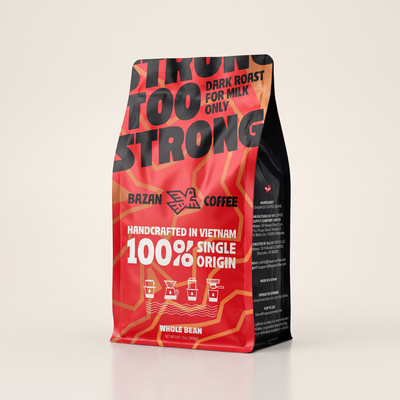
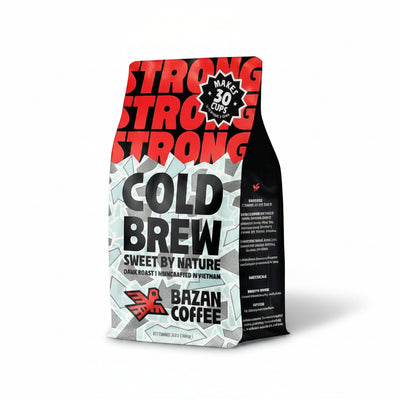
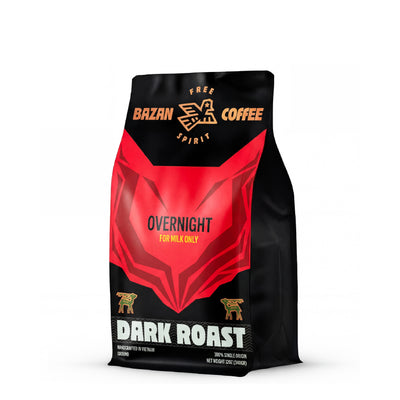
At Bazan Coffee, we specialize in fermentation-driven, origin-expressive roasting. Our beans, whether Robusta from Krong Nang or Arabica from Cau Dat are designed for clarity, depth, and structure, not masked or underdeveloped flavors.
Why We Don’t Offer White Coffee:
-
White roasting limits flavor development
-
Hard-to-grind, incompatible with most home brewers
-
Doesn’t reflect our terroir and post-harvest expertise
That said, for those who enjoy brightness and low bitterness, we recommend these options:
|
Bazan Bean |
Roast Level |
Best Brew Method |
Flavor Notes |
|
Light-medium |
V60, Chemex |
Caramel, spice, floral |
|
|
Dark |
French press |
Honey, caramel, durian |
|
|
Medium |
Espresso |
Nutty, smooth, cocoa |
Frequently Asked Questions (FAQs)
Is white coffee stronger than regular coffee?
Yes, in terms of caffeine content, but not in flavor strength. It is lighter, more acidic, and less bitter.
Can I make white coffee at home?
Only if you purchase pre-ground white coffee, as most home grinders can’t handle the density.
Does Bazan Coffee sell white coffee?
No. We focus on well-developed, sustainable roasts that maximize terroir expression and drinkability.
Can I mix white coffee with black coffee?
You can, but the flavors may clash. Test carefully.
Final Thoughts: Brew Better, Choose Beans with a Story
White coffee is a niche yet intriguing style that appeals to adventurous drinkers and caffeine chasers. However, it’s not designed to express the full spectrum of what great beans can offer.
At Bazan Coffee, our approach is the opposite of underdeveloped: we slow-ferment, slow-dry, and roast with intention so every cup is packed with authentic character.
Elevate Your Coffee Ritual with Bazan
-
Hand-harvested Robusta & Arabica from Vietnam
-
Natural and washed processes for full flavor clarity
-
No additives or shortcuts just real beans
👉 Shop Bazan Coffee Now and taste what fully developed coffee should be.
Go beyond white. Go deep. Go Bazan.