How to Choose and Use the Perfect Coffee Machine: A Complete Guide
The right coffee machine can transform your daily coffee experience, whether at home, in an office, or a bustling café. But with so many options available, how do you determine the best coffee machine for your needs? This guide provides an in-depth analysis of different types of coffee machines, their functionalities.
What is a Coffee Machine?
A coffee machine is a device designed to brew coffee by forcing hot water through ground coffee beans. Depending on the type of machine, the process can be fully automatic, semi-automatic, or manual. Understanding how a coffee machine works will help you choose the most suitable one for your needs.

How Does a Coffee Machine Work?
Most coffee machines operate by heating water to an optimal temperature (195-205°F) before passing it through coffee grounds. Here’s a breakdown of the basic operation:
-
Water Reservoir: Stores water for brewing.
-
Heating Element: Heats water to the correct temperature.
-
Pump (for espresso machines): Forces water through coffee grounds at high pressure.
-
Filter Basket: Holds coffee grounds and allows water to pass through evenly.
-
Brew Mechanism: Extracts coffee flavors into your cup.
Understanding these components ensures proper use and maintenance.
Types of Coffee Machines
1. Automatic Coffee Machine
-
Fully automated from grinding beans to brewing coffee.
-
Best for convenience and consistency.
-
Examples: Jura E8, Breville Oracle Touch.
2. Semi-Automatic Coffee Machine
-
Allows manual control over espresso extraction.
-
Ideal for coffee enthusiasts who prefer hands-on brewing.
-
Examples: La Marzocco Linea Mini, Rancilio Silvia.
3. Drip Coffee Machine
-
Uses gravity to pass hot water through coffee grounds.
-
Great for batch brewing.
-
Examples: Technivorm Moccamaster, Bonavita BV1900TS.
4. Espresso Coffee Machine
-
Brews concentrated espresso shots using high pressure.
-
Can be manual, semi-automatic, or fully automatic.
-
Examples: Gaggia Classic Pro, Breville Barista Express.
5. Pod Coffee Machine
-
Uses pre-packaged coffee pods or capsules.
-
Convenient but less customizable.
-
Examples: Nespresso Vertuo, Keurig K-Supreme.
Each type offers distinct advantages, so choosing the best coffee machine depends on your brewing preferences and usage.
How to Use a Coffee Machine (Detailed Guide)
Using a coffee machine properly is essential for achieving the best flavor, aroma, and consistency in your brew. The process varies depending on the type of coffee machine you own. Below, we provide step-by-step guides for two of the most common types: drip coffee machines and espresso machines.
For Drip Coffee Machines (Automatic Coffee Makers)
Drip coffee machines are popular for their convenience and ease of use, making them ideal for home and office settings. They work by slowly passing hot water through ground coffee in a filter basket, allowing the brewed coffee to drip into a carafe or pot below.

Step-by-Step Guide:
-
Prepare the Coffee Machine
-
Ensure the machine is clean and free from old coffee grounds.
-
Check that the water reservoir is empty before filling it with fresh water.
-
Fill the Water Reservoir
-
Use filtered water for the best taste—tap water with high mineral content can cause scale buildup over time.
-
Fill according to the number of cups you plan to brew (e.g., 6 cups = fill to the 6-cup line).
-
Add Coffee to the Filter Basket
-
Use a paper or reusable coffee filter in the designated basket.
-
Measure the right amount of coffee: typically 1 to 2 tablespoons per 6-ounce cup.
-
Use medium grind coffee (too fine can cause clogging, too coarse results in weak coffee).
-
Start the Brewing Process
-
Close the machine’s lid securely.
-
Press the power button or select the brewing mode (some machines have strength control settings).
-
Wait for the coffee to brew completely—this can take 5 to 10 minutes, depending on the machine.
-
Serve and Enjoy
-
Once brewing is complete, remove the carafe and pour your coffee into a cup.
-
Do not leave coffee sitting on the warming plate for too long, as it may become bitter due to overheating.
-
Add milk, sugar, or flavorings as desired.
Tip: Some drip coffee makers have a programmable timer so you can set it up the night before and wake up to freshly brewed coffee.
For Espresso Machines (Semi-Automatic and Manual Machines)
Espresso machines require more precision and control, but they produce a concentrated, rich shot of espresso that serves as the base for drinks like lattes, cappuccinos, and Americanos.

Step-by-Step Guide:
-
Preheat the Machine
-
Turn on the espresso machine and let it heat up for at least 10-15 minutes.
-
Run hot water through the portafilter and group head to warm them up—this helps maintain temperature stability.
-
Grind Fresh Coffee Beans
-
Use a burr grinder to grind coffee beans to a fine, table-salt-like consistency.
-
The ideal dose for a single shot is 7-9 grams, and 14-18 grams for a double shot.
-
Tamp the Coffee Grounds Evenly
-
Place the ground coffee into the portafilter basket.
-
Use a tamping tool to press down evenly with 30 lbs of pressure—this ensures even extraction.
-
Wipe off any excess coffee grounds from the edges of the portafilter.
-
Lock the Portafilter and Start Extraction
-
Insert and lock the portafilter securely into the machine’s group head.
-
Start the shot and watch as espresso flows out—a perfect shot should take 25-30 seconds.
-
Stop and Serve the Espresso
-
If extraction is too fast (less than 20 seconds), the grind is too coarse—adjust and try again.
-
If extraction is too slow (over 35 seconds), the grind is too fine.
-
Once the shot is finished, pour into a preheated cup and enjoy!
Tip: If making a milk-based drink like a latte or cappuccino, use the steam wand to froth milk to your desired texture before adding it to the espresso.
How to Clean a Coffee Machine (Maintenance Guide)
Proper cleaning of your coffee machine prevents oil buildup, mold, and mineral deposits, which can affect the taste and functionality of the machine.

Daily Cleaning Routine
Drip Coffee Machines
-
Rinse the carafe and filter basket with warm water.
-
Wipe down the machine’s exterior with a damp cloth.
-
Empty and rinse the water reservoir if not in use.
Espresso Machines
-
Purge the steam wand by running steam for a few seconds to clear milk residue.
-
Remove and rinse the portafilter and filter basket.
-
Wipe down the machine, including the group head and drip tray.
Weekly Cleaning Routine
-
Run a brewing cycle with warm water only (no coffee) to clear out any residue.
-
Clean reusable filters thoroughly with a brush.
-
For espresso machines, use a group head brush to remove coffee particles from the shower screen.
Monthly Deep Cleaning
-
Use a coffee machine cleaner or specialized detergent to remove built-up coffee oils.
-
Soak portafilters, shower screens, and steam wands in warm water with cleaner.
-
Scrub and rinse all parts before reassembling.
Tip: Avoid using dish soap on espresso machine parts—it can leave residue that affects coffee taste.
How to Descale a Coffee Machine (Preventing Scale Buildup)
If you live in an area with hard water, your coffee machine may accumulate mineral deposits (scale) over time, affecting performance. Descaling helps remove these deposits.

How to Descale a Coffee Machine Step-by-Step:
-
Mix a Descaling Solution:
-
Use a commercial descaling product or mix equal parts white vinegar and water.
-
Run a Brew Cycle Without Coffee:
-
For drip machines: Fill the reservoir with the solution and start a brewing cycle.
-
For espresso machines: Run the solution through the group head and steam wand.
-
Rinse with Fresh Water:
-
Run at least two full water cycles to remove any lingering solution.
-
Wipe and Dry the Machine:
-
Ensure all parts are dry before using again.
Tip: Descale every 1-3 months, depending on water hardness.
How Much Does a Coffee Machine Cost?
The price of a coffee machine depends on the type, brand, and features.
|
Type of Coffee Machine |
Price Range |
|
Drip Coffee Machines |
$50 - $300 |
|
Pod Coffee Machines (e.g., Nespresso, Keurig) |
$100 - $500 |
|
Semi-Automatic Espresso Machines |
$400 - $2,000 |
|
Fully Automatic Machines |
$800 - $5,000 |
|
Commercial Espresso Machines |
$5,000 - $20,000+ |
Tip: Investing in a high-quality machine ensures durability and better coffee quality in the long run.
What is the Capacity and Size of a Coffee Machine?
The right size depends on your brewing needs and available space.
Single-Serve Machines:
-
Brew one cup at a time (Ideal for small households or offices).
Drip Coffee Machines:
-
Typically brew 4-12 cups per cycle.
Espresso Machines:
-
Brew single or double shots but can be used continuously.
Commercial Machines:
-
Handle large volumes with multiple group heads.
Tip: If buying for home use, consider a compact machine to save counter space.
FAQs About Coffee Machines
1. What is the best coffee machine for home use?
Choosing the best coffee machine for home use depends on your experience level and brewing preferences. For beginners, an automatic coffee machine like the Breville Barista Express provides a balance between automation and manual control. If you prefer hands-off brewing, a fully automatic machine like the Jura E8 can produce high-quality espresso and milk-based drinks with minimal effort. More experienced coffee lovers may enjoy a semi-automatic espresso machine, such as the Rancilio Silvia, which allows greater control over extraction variables.
2. Can I use ground coffee in an espresso machine?
Yes, you can use pre-ground coffee in an espresso machine, but it must be ground to a fine espresso consistency. A grind that is too coarse will lead to under-extraction, resulting in weak and watery espresso, while an overly fine grind can cause over-extraction, leading to bitter flavors. For the best results, it is highly recommended to grind coffee fresh using a burr grinder to achieve consistent particle size and maximize flavor extraction.
3. How often should I clean my coffee machine?
Regular cleaning is essential to maintain the quality and longevity of your coffee machine.
-
Daily: Rinse the portafilter, steam wand, and drip tray after each use.
-
Weekly: Run a cleaning cycle with clean water or a mild detergent to remove coffee residue.
-
Monthly: Perform a deep clean by descaling the machine with a descaling solution to prevent mineral buildup, especially if you use hard water.
4. What’s the difference between a drip coffee maker and an espresso machine?
Drip coffee makers and espresso machines use different brewing methods, resulting in distinct flavor profiles and strengths.
-
Drip Coffee Maker: Uses gravity to allow hot water to slowly pass through coffee grounds, extracting flavors over several minutes. Produces a lighter-bodied, balanced coffee with higher caffeine content per serving.
-
Espresso Machine: Uses high pressure (typically 9 bars) to force hot water through finely ground coffee, extracting a concentrated shot with bold flavors, rich crema, and lower caffeine per serving compared to drip coffee.
-
If you prefer strong, rich, and complex coffee, an espresso machine is the better choice. If you enjoy a milder, larger cup of coffee, a drip coffee maker may be more suitable.
5. Does an expensive coffee machine make better coffee?
While price does not always guarantee quality, high-end coffee machines generally offer better build quality, temperature stability, and advanced features that improve extraction consistency. Premium machines also include PID temperature control, pre-infusion settings, and higher-quality internal components, which can significantly enhance the coffee’s flavor. However, the most important factor remains the quality of the coffee beans and proper brewing techniques. Even an entry-level machine can produce excellent coffee if paired with fresh, high-quality beans and a precise brewing process.
Take Your Coffee Experience to the Next Level with Bazan Coffee
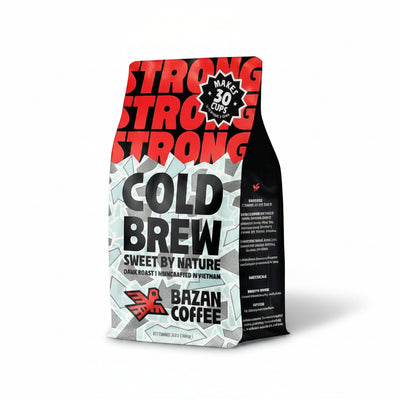
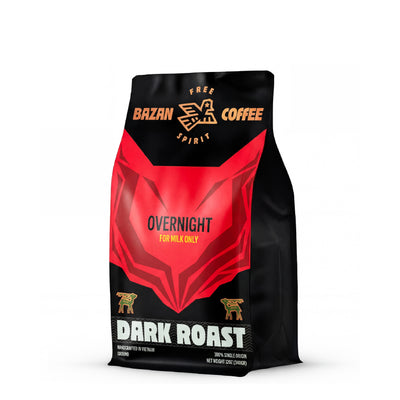
At Bazan Coffee, we believe that every great cup starts with exceptional beans. Whether you're brewing with a high-end espresso machine, a drip coffee maker, or a traditional Vietnamese Phin, the quality of your coffee beans makes all the difference.
Unlike mass-produced coffee brands, Bazan Coffee carefully selects and processes each batch to ensure optimal freshness, complexity, and flavor. Our specialty Vietnamese coffee beans bring out deep, rich aromas and naturally sweet undertones, elevating every brew to a premium coffee experience.
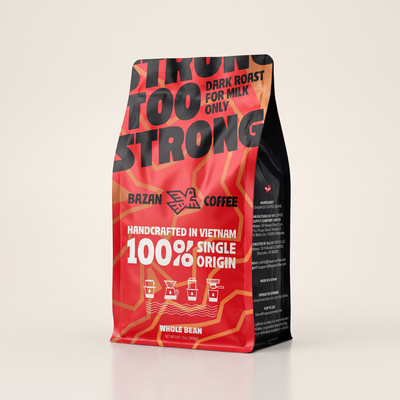
Brew It with Too Strong: Vietnam’s Bold Robusta
Too Strong is 100% Vietnamese Robusta from Đắk Lắk, dark roasted to stand up to milk and ice. It carries roughly twice the caffeine of a typical arabica blend (about 2.2–2.7%), with notes of chocolate, caramel and warm toast and none of the burnt, bitter bite.
- Made for milk: built for cà phê sữa đá, lattes and iced coffee.
- Brew it your way: phin filter, espresso machine, French press or paper filter.
- Fresh from the farm: roasted date printed on every bag.