Brew Authentic Vietnamese Coffee: How to Use Phin Coffee
Vietnamese coffee, renowned for its robust flavor and unique brewing method, has captivated coffee lovers worldwide. At the heart of this tradition lies the phin coffee maker - a simple yet ingenious device that transforms coarse-ground coffee into a rich, aromatic brew. Whether you’re a seasoned barista or a home enthusiast eager to explore authentic Vietnamese flavors, this comprehensive guide from Bazan Coffee is your roadmap to mastering phin coffee. We'll explore everything from what is a phin coffee system, the art of how to make Vietnamese coffee with phin, to crafting the perfect phin coffee recipe. Our guide combines academic precision with practical, hands-on tips.
Discover the Magic of Phin Coffee
The traditional Vietnamese phin coffee method is more than just a brewing process - it’s a cultural ritual that embodies centuries of coffee heritage. Originating from Vietnam, the Vietnamese coffee phin system has evolved into a symbol of quality and authenticity. At Bazan Coffee, we celebrate this rich tradition by sourcing premium beans and using time-honored techniques to deliver a coffee experience that is as bold as it is nuanced.
With the right phin coffee maker and proper technique, you can achieve a perfectly balanced cup of coffee that’s smooth, aromatic, and full of character. This guide will take you step-by-step through the process of brewing Vietnamese coffee, ensuring you understand every aspect - from choosing the right grind size to mastering the steeping time. Ready to unlock the secret to this iconic brew? Let’s dive in.
What Is a Phin Coffee System?
Understanding the Phin Coffee Maker
What is a phin coffee? In essence, a phin coffee maker is a small, stainless steel drip brewer traditionally used in Vietnamese households and cafés. Unlike other brewing methods, the phin uses gravity to slowly extract flavors from coarsely ground coffee. Its design is simple: a perforated filter sits atop a cup, and hot water is poured over the coffee grounds, allowing a concentrated brew to drip slowly into the vessel below.

Key components of the phin include:
-
The Filter Chamber: Holds the coffee grounds and features small holes to regulate water flow.
-
The Pressing Disk: Helps evenly distribute water through the grounds.
-
The Drip Cup: Collects the freshly brewed coffee.
This method ensures that the coffee is steeped gently, preserving its natural oils and flavors - a process which notes that slow extraction can enhance the complexity and sweetness of coffee.
The Cultural Significance
The phin is not merely a tool - it’s a gateway to Vietnam’s storied coffee culture. Many phin coffee house establishments proudly serve coffee brewed using these traditional methods, offering a taste of heritage with every sip. The ritual of brewing with a phin coffee maker embodies patience, precision, and an appreciation for the art of coffee-making.
How Does a Phin Coffee Maker Work?
The Mechanics Behind the Brew
How does a phin coffee maker work? The process is elegantly simple:
-
Preparation: Coarse coffee grounds are placed into the phin’s filter chamber. The correct phin coffee grind size is crucial - too fine, and the brew will be over-extracted and bitter; too coarse, and you may end up with a weak cup.
-
Tamping: The pressing disk is placed on top of the grounds to ensure even water distribution.
-
Steeping: Hot water is poured into the chamber. The water slowly percolates through the coffee, extracting essential oils and flavors over a period of 4 to 5 minutes.
-
Drip: The brewed coffee drips into the cup below, resulting in a rich, concentrated beverage.
This method, akin to a slow drip, allows for maximum flavor extraction with minimal bitterness. Studies by the CQI indicate that the gentle, prolonged extraction process preserves subtle flavor nuances that can often be lost in quicker methods.

Ideal Brewing Parameters
To perfect your brew, consider these critical parameters:
-
Water Temperature: Aim for water around 90°C to 95°C (194°F to 203°F) to extract optimal flavor without scorching the grounds.
-
Steeping Time: A brewing time of 4 to 5 minutes is ideal for balancing strength and flavor.
-
Coffee-to-Water Ratio: A typical phin coffee recipe uses about 15 to 20 grams of coffee per 150 ml of water, though adjustments can be made to suit personal taste.
How to Make Vietnamese Coffee with a Phin: Step-by-Step Guide
Step 1: Gather Your Ingredients and Tools
Before you start, ensure you have:
-
A phin coffee maker (choose a model that suits your needs; options range from a standard model to a large Vietnamese coffee phin for a more robust brew)
-
Freshly roasted coffee beans, coarsely ground
-
Hot water (around 90°C to 95°C)
-
A sturdy cup or glass to collect the brew
-
Optional: Sweetened condensed milk for a classic Vietnamese flavor
Step 2: Prepare the Phin
-
Measure Your Coffee: Use a scale to weigh about 15 to 20 grams of coarsely ground coffee. The right phin coffee grind size is essential for proper extraction.
-
Fill the Phin: Place the coffee into the filter chamber. Gently shake the phin to level the grounds.
-
Press the Grounds: Place the pressing disk on top of the coffee and press lightly to ensure even distribution without compressing the grounds too tightly.
Step 3: Begin the Brewing Process
-
Preheat the Phin: Pour a small amount of hot water into the phin to preheat the chamber and allow the coffee to bloom for about 30 seconds. This step helps release CO₂ and prepares the grounds for extraction.
-
Add Hot Water: Pour hot water into the phin up to the designated mark (usually about 150 ml for a standard brew). Cover the top of the phin with its lid.
-
Let It Steep: Allow the coffee to steep for 4 to 5 minutes. For a stronger brew, you may extend the time slightly, but be cautious of over-extraction, which can lead to bitterness.
Step 4: Serve and Enjoy
-
Collect the Brew: Once the coffee has fully dripped into the cup, remove the phin.
-
Mix (Optional): For a traditional Vietnamese coffee, add sweetened condensed milk to taste and stir well.
-
Savor the Moment: Enjoy your freshly brewed cup of Vietnamese phin coffee, appreciating its rich aroma and balanced flavor.
Tips and Tricks for Perfect Phin Coffee
Fine-Tuning Your Phin Coffee Maker
-
Adjusting Grind Size: Experiment with different grind sizes to find the sweet spot for your phin. A medium-coarse grind typically works best.
-
Steeping Time: If your coffee tastes too weak, try increasing the steeping time by 30 seconds. Conversely, if it’s too strong or bitter, reduce the time.
-
Water Temperature: Use a thermometer to ensure your water is within the ideal range. Consistency in temperature is key to a balanced extraction.
Enhancing Your Vietnamese Coffee Experience
-
For a Creamier Cup: Experiment with adding a touch of warm milk or using sweetened condensed milk. This not only balances the coffee’s strength but also adds a delightful creaminess.
-
Using a Large Vietnamese Coffee Phin: If you’re brewing for a group, consider a larger phin. This variant allows for a more substantial brew while maintaining the traditional slow extraction method.
Maintenance and Cleaning
Keeping your phin coffee maker in pristine condition is essential for optimal performance:
-
Regular Cleaning: After each use, disassemble the phin and rinse all parts with warm water. Use a soft brush to remove any residual coffee oils.
-
Deep Cleaning: Periodically, soak the parts in a mild detergent solution to ensure thorough cleaning, then rinse well to remove any soap residue.
-
Storage: Store your phin in a dry, clean place to prevent mold or bacterial growth.

Advanced Insights and Expert Perspectives
Scientific Research on Cold Extraction
The phin’s slow drip mechanism allows for gentle extraction, minimizing bitterness and maximizing the inherent sweetness of the beans. This method, when paired with the right coffee-to-water ratio, results in a brew that is both robust and nuanced.
Real-World Experiences from Barista Hustle
Barista Hustle experts stress that the key to perfect Vietnamese coffee phin lies in precision and consistency. Their workshops emphasize that every variable - from grind size and water temperature to steeping time - must be finely tuned. Experienced baristas note that mastering the phin brewing process can significantly elevate the quality of the final cup, creating a drink that is as visually appealing as it is flavorful.
Practical Innovations in Phin Coffee Making
Innovative cafés, including renowned phin coffee house establishments, have begun to incorporate modern technology into the traditional phin brewing process. Some newer models of the phin coffee maker feature adjustable drip rates and integrated timers, allowing for even greater control over the extraction process. These advancements reflect a growing trend of blending traditional methods with modern precision, ensuring that the authentic flavors of Vietnamese coffee are preserved while enhancing overall consistency.
Frequently Asked Questions (FAQ)
1. How do I determine the right phin coffee grind size?
The ideal grind size for a phin coffee maker is medium-coarse. Too fine a grind can lead to over-extraction and bitterness, while too coarse may result in a weak brew. Experiment with adjustments until you achieve a balanced extraction.
2. What is the best ratio for making Vietnamese coffee with a phin?
A common guideline is to use about 15 to 20 grams of coffee for every 150 ml of water. Adjusting this phin coffee recipe according to personal taste can help you find the perfect balance between strength and flavor.
3. How long should I steep my phin coffee?
Typically, steeping for 4 to 5 minutes is recommended. If you prefer a stronger brew, you might extend the steeping time slightly; however, be cautious of over-extraction, which can cause bitterness.
4. Can I use pre-ground coffee in a phin coffee maker?
Yes, but it’s crucial to ensure that the coffee is ground to the appropriate medium-coarse consistency. Using coffee ground for other brewing methods might result in a less optimal extraction.
5. What makes a large Vietnamese coffee phin different from a standard one?
A large Vietnamese coffee phin is designed to brew a larger volume of coffee, making it ideal for group settings or larger households. While the brewing principles remain the same, the increased capacity requires careful adjustment of the coffee-to-water ratio.
6. How do I clean and maintain my phin coffee maker?
Disassemble your phin after each use and rinse all components with warm water. For thorough cleaning, use a mild detergent and a soft brush to remove residual oils. Regular deep cleaning and proper storage will help maintain the performance and longevity of your phin.
Elevate Your Coffee Ritual with Bazan Coffee
Mastering phin coffee is a journey that combines tradition, precision, and passion. By understanding what is a phin coffee, learning how to make Vietnamese coffee with phin, and perfecting your phin coffee recipe, you can create a brew that is rich, full-bodied, and steeped in heritage. Whether you're dialing in the perfect phin coffee grind size or opting for a large Vietnamese coffee phin to share with friends, every step in the process contributes to a remarkable coffee experience.
At Bazan Coffee, we are committed to excellence at every step of the coffee journey - from our meticulously sourced beans grown on our signature red soil to our passion for perfecting every brew. We invite you to transform your coffee ritual with our premium range of products that guarantee exceptional flavor and consistency.
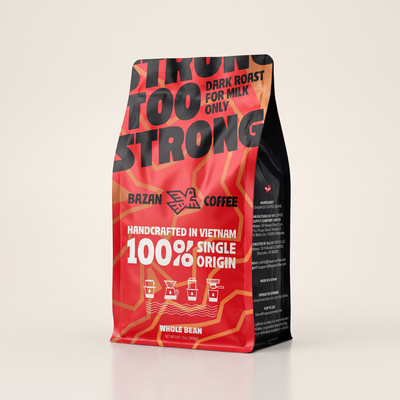
Brew It with Too Strong: Vietnam’s Bold Robusta
Too Strong is 100% Vietnamese Robusta from Đắk Lắk, dark roasted to stand up to milk and ice. It carries roughly twice the caffeine of a typical arabica blend (about 2.2–2.7%), with notes of chocolate, caramel and warm toast and none of the burnt, bitter bite.
- Made for milk: built for cà phê sữa đá, lattes and iced coffee.
- Brew it your way: phin filter, espresso machine, French press or paper filter.
- Fresh from the farm: roasted date printed on every bag.