Knock Box Uncovered: The Ultimate Guide to the Essential Espresso Knock Box
In the high-octane world of espresso, efficiency and consistency are as critical as the perfect extraction. One indispensable tool that often goes unnoticed - yet plays a pivotal role in maintaining your coffee station’s workflow - is the Knock Box. Whether you’re a seasoned barista or a passionate home brewer, understanding your espresso knock box is key to streamlining your routine and ensuring every shot is as flawless as the last.
In this comprehensive guide from Bazan Coffee, we delve into everything you need to know about knock boxes - from defining what is a knock box and exploring how to use a knock box, to identifying the best espresso knock box for your setup.
The Backbone of a Clean and Efficient Espresso Workflow
Every coffee bar knows that after each espresso shot, used coffee grounds must be cleared quickly and cleanly. Enter the knock box - a rugged, purpose-built container designed to receive spent coffee pucks from your portafilter. Far from being a mere trash bin, a well-designed Knock Box optimizes workflow, maintains cleanliness, and ultimately contributes to the consistency of your espresso extraction.
By ensuring that your coffee pucks are disposed of efficiently, the knock box prevents cross-contamination of flavors and minimizes downtime between shots. This efficiency is critical in both high-volume cafés and in home setups where every second counts. As highlighted by research from the SCA, the consistency of the post-extraction routine directly impacts the overall quality of the final cup .
What Is a Knock Box? Understanding Its Role in Espresso Preparation
Defining the Knock Box
What is a knock box? In simple terms, it is a sturdy receptacle designed to collect and dispose of spent coffee grounds (or pucks) after extraction. Constructed from durable materials such as stainless steel or heavy-duty plastics, a knock box is engineered to withstand the impact of repeated tamping and cleaning.

Key functions include:
-
Efficient Disposal: The knock box provides a designated area for knocking out the coffee puck from the portafilter.
-
Ease of Cleaning: Its design allows for quick and thorough cleaning, reducing buildup of coffee oils and residue.
-
Workflow Optimization: By centralizing the waste disposal process, the knock box helps maintain a clean and organized work area.
Research from the Coffee Quality Institute emphasizes that a clean, well-organized workspace is crucial for consistent extraction and overall espresso quality .
How to Use a Knock Box: A Step-by-Step Guide
Step 1: Preparation
Before you start knocking out your coffee puck, ensure that your portafilter is properly cleaned from previous extractions. A clean portafilter not only improves taste but also prolongs the life of your equipment.
-
Position the Knock Box: Place your knock box in an easily accessible spot near your espresso machine. Ensure it is stable and on a flat surface.
-
Inspect the Portafilter: Make sure that any residual grounds or oils have been cleared from the portafilter before placing it in the knock box.

Step 2: Knocking Out the Coffee Puck
Once your portafilter is ready, it’s time to dispose of the spent coffee puck efficiently.
-
Firmly Hold the Portafilter: With a steady grip, hold the portafilter over the knock box.
-
Knock the Puck: Using a controlled, firm tap (or using the built-in knock mechanism if available), knock out the coffee puck into the box. The goal is to dislodge the puck cleanly without scattering grounds outside.
-
Inspect the Puck: After knocking, check that the coffee puck has completely separated from the basket. If remnants remain, a gentle repeat may be necessary.

Step 3: Post-Knock Box Maintenance
After use, keeping your knock box clean is critical for maintaining hygiene and optimal performance.
-
Empty Regularly: Periodically empty the knock box to prevent buildup of coffee grounds and oils.
-
Clean Thoroughly: Rinse and, if necessary, wash the knock box with mild detergent. A clean knock box ensures no residual flavors contaminate future extractions.
-
Inspect for Damage: Over time, repeated impacts can wear down the knock box. Regularly inspect it for cracks or loose components and replace it if necessary.

Following these steps consistently will ensure that your knock box remains an effective tool in your espresso preparation process.
Choosing the Best Espresso Knock Box
Features to Look For
When selecting the best espresso knock box, several factors come into play:
-
Durability: Opt for a knock box made from high-quality materials like stainless steel or heavy-duty plastic that can endure frequent use.
-
Design: Look for a design that facilitates easy disposal of coffee pucks and simple cleaning. Some models offer a built-in clamp or striking surface to help dislodge the puck.
-
Size: The capacity of the knock box should suit your volume of espresso production. A larger knock box might be ideal for busy cafés, while a smaller one may suffice for home use.
-
Ease of Use: Ergonomics and stability are essential. The best knock box should be easy to position and should remain stable during use.
Expert Recommendations
Barista Hustle and other industry experts often recommend that the right knock box not only meets functional requirements but also integrates seamlessly into your overall espresso station. Research and anecdotal evidence suggest that a well-chosen knock box contributes to faster turnaround times and cleaner workspaces, ultimately enhancing the quality of your espresso shots .
Innovative Insights: Beyond the Basics of a Knock Box
Lesser-Known Uses and Customizations
While the primary function of a knock box is to collect spent coffee pucks, innovative users have discovered additional benefits and customizations:
-
Dual-Purpose Designs: Some knock boxes double as storage containers for used pucks, which can later be composted or used as fertilizer.
-
Integrated Cleaning Features: Advanced models may include mechanisms for automatic cleaning or a built-in scrubbing surface that minimizes manual maintenance.
-
Design Aesthetics: A well-designed knock box can enhance the visual appeal of your espresso station, contributing to an overall premium ambiance that customers appreciate.
Research-Backed Benefits
A well-organized and clean workspace, including effective waste management tools like a knock box, can positively influence the consistency of espresso extraction. Keeping the work area free of residual coffee oils and grounds prevents cross-contamination and ensures that every shot maintains its intended flavor profile .
Best Practices for Maintaining Your Knock Box
Regular Cleaning and Inspection
To ensure that your knock box continues to perform at its best:
-
Daily Rinse: After each shift or at the end of your brewing session, rinse out the knock box to remove loose grounds.
-
Weekly Deep Clean: Use warm water and mild detergent to thoroughly wash the box. Allow it to dry completely before reusing it.
-
Routine Inspection: Check for any signs of wear or damage, such as cracks or deformations, and replace the unit if necessary.

Integrating Your Knock Box into Your Workflow
An efficiently used knock box is part of a well-orchestrated espresso station. Consider these tips:
-
Position Strategically: Place the knock box within easy reach of your espresso machine to minimize movement and speed up the workflow.
-
Standardize Procedures: Train all staff or practice consistently if you’re a home brewer, so that every shot is followed by a uniform knock-out procedure.
-
Monitor Performance: Periodically review the extraction quality of your espresso shots. Consistent problems might indicate that the knock box is not functioning properly or that your post-extraction routine needs adjustment.

Real-World Insights and Expert Perspectives
Academic and Industry Research
According to the SCA and CQI, consistency in the post-extraction process - including effective disposal of spent coffee pucks - is vital for maintaining overall espresso quality. Variations in how coffee pucks are removed can affect temperature stability and cleanliness, ultimately impacting flavor extraction .
The integration of efficient waste management tools, like a high-quality knock box, can lead to improved operational efficiency and better sensory outcomes in espresso production.
Lessons from Barista Hustle
Barista Hustle’s workshops and studies frequently highlight that the smallest details - such as the choice and maintenance of a knock box - can have outsized impacts on a café’s efficiency and espresso quality. Experienced baristas note that a reliable knock box reduces downtime and helps maintain a clean workspace, which is critical for consistency and customer satisfaction .
Frequently Asked Questions (FAQ)
1. What are the common mistakes baristas make when using a knock box?
Many baristas may rush the process, leading to incomplete removal of the coffee puck or scattering of grounds outside the knock box. Other common mistakes include using an overfilled knock box or neglecting regular cleaning, which can result in stale coffee residue affecting future shots. To avoid these issues, always ensure even tamping before knocking and clean the knock box regularly.
2. How do I choose the best espresso knock box for my setup?
The ideal espresso knock box should be durable, easy to clean, and appropriately sized for your volume of production. Consider materials (stainless steel is highly recommended for its durability), design features (like an integrated striking surface), and how well it fits into your workflow. Reviews from industry sources and user testimonials, as highlighted by Barista Hustle, can provide valuable insights when selecting the best model for your needs.
3. Can a knock box affect the taste of my espresso?
Indirectly, yes. A clean and efficient knock box helps maintain a hygienic workspace, preventing old coffee oils and residues from contaminating your next shot. Inconsistent disposal or poor maintenance of your knock box can lead to cross-contamination and affect the flavor profile of your espresso. Regular cleaning and proper use are key to preserving the integrity of your coffee’s taste.
4. How often should I clean my knock box?
For optimal performance, it’s advisable to rinse your knock box after each session and conduct a thorough cleaning weekly. Regular cleaning not only maintains hygiene but also prevents the buildup of coffee oils and grounds that could impact the consistency of your espresso extractions.
5. Are there any innovative knock box designs worth considering?
Yes. Some modern knock boxes offer dual-purpose features, such as integrated storage for used coffee grounds or automated cleaning mechanisms. These advanced designs can further streamline your workflow and contribute to a more efficient espresso station. Such innovations can significantly enhance operational efficiency in high-volume settings.
Elevate Your Espresso Experience with Bazan Coffee
Mastering the nuances of your espresso workflow means paying attention to every detail - even the often-overlooked knock box. By understanding what is a knock box, learning how to use a knock box effectively, and selecting the best espresso knock box for your needs, you can ensure a clean, efficient, and consistent brewing process.
At Bazan Coffee, we understand that crafting the perfect espresso starts with choosing the finest coffee beans. Whether you're refining your tamping technique, adjusting your grind size, or mastering your espresso machine, each detail plays a crucial role in creating the ideal shot. With our premium, specialty-grade beans, you’re guaranteed a rich, bold, and complex espresso that will elevate your coffee ritual to new heights.
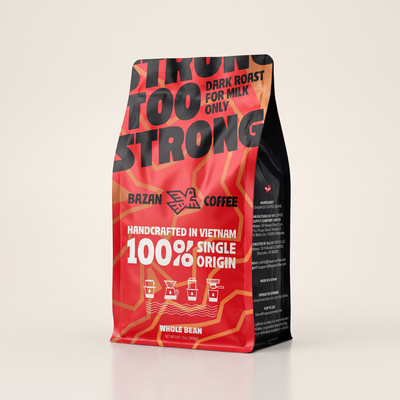
Brew It with Too Strong: Vietnam’s Bold Robusta
Too Strong is 100% Vietnamese Robusta from Đắk Lắk, dark roasted to stand up to milk and ice. It carries roughly twice the caffeine of a typical arabica blend (about 2.2–2.7%), with notes of chocolate, caramel and warm toast and none of the burnt, bitter bite.
- Made for milk: built for cà phê sữa đá, lattes and iced coffee.
- Brew it your way: phin filter, espresso machine, French press or paper filter.
- Fresh from the farm: roasted date printed on every bag.