Does Coffee Dehydrate You? A Scientific Guide for Coffee Drinkers
In the ongoing conversation around caffeine and hydration, a common question often surfaces: Does coffee dehydrate you? For years, coffee has been considered a mild diuretic, leading many to believe it could compromise daily hydration. But what does modern research actually say? Should coffee lovers be worried about dehydration from their daily brew?
In this in-depth guide, we’ll explore the physiological effects of caffeine, distinguish between myth and fact, and help you understand how coffee interacts with your body's fluid balance. This article is your trusted answer to a surprisingly misunderstood topic.
Understanding the Basics: What Is Dehydration?
Before answering whether coffee causes dehydration, it’s important to define what dehydration really is. Dehydration occurs when your body loses more fluids than it takes in. It can affect physical and cognitive performance and, if prolonged, may lead to serious health risks.
Common causes include:
-
Inadequate fluid intake
-
Excessive sweating or exercise
-
Illness (vomiting, diarrhea, fever)
-
Use of diuretics or high-caffeine products in excess
The key concern in relation to coffee lies in caffeine’s role as a potential diuretic-a substance that increases urine production.

Caffeine as a Diuretic: Myth or Measurable Risk?
What the Research Says
Caffeine does have a mild diuretic effect, especially when consumed in large quantities. It works by increasing blood flow to the kidneys and influencing sodium reabsorption, which can lead to increased urination. However, the effect is mild and short-lived, especially in regular caffeine consumers.
A 2014 study published in PLOS ONE found that moderate coffee consumption (4 cups per day, or ~400 mg of caffeine) did not lead to dehydration, and was comparable to water in terms of maintaining fluid balance. Caffeine tolerance develops quickly, reducing any significant diuretic effects over time.
Contextualizing the Science
-
First-time or infrequent caffeine consumers may experience more noticeable diuretic effects.
-
Habitual coffee drinkers typically exhibit a normal urine output pattern, even with moderate to high caffeine intake.
-
The total volume of fluid in coffee largely compensates for any fluid loss from its caffeine content.
Coffee’s Water Content: A Key Factor in Hydration
One of the most overlooked facts in this debate is that coffee is approximately 95% water. This makes it a significant contributor to your daily fluid intake. Beverages like tea and coffee count toward hydration needs, especially when consumed in moderation.
Therefore, when asking "does coffee dehydrate you," the correct framing should be: Does coffee, despite its caffeine content, contribute to a net fluid loss? The answer is no, unless consumed in extremely large volumes or alongside other dehydrating factors like alcohol or intense heat exposure.
How Much Coffee Is Too Much?
400 mg of caffeine per day is safe for most healthy adults. That’s roughly the equivalent of:
-
3 to 4 cups of brewed coffee (8 oz each)
-
5 single shots of espresso
Exceeding this threshold may lead to unwanted side effects-such as jitteriness, insomnia, and potentially mild dehydration-especially if fluid intake from water or other sources is inadequate.
Practical Takeaways for Coffee Drinkers
Tips for Balancing Coffee and Hydration
-
Moderation Matters
Stay within the 300–400 mg daily caffeine range to ensure hydration is unaffected. -
Pair Coffee with Water
If you’re drinking strong or multiple cups of coffee, match it with a glass of water to maintain fluid balance. -
Adjust for Activity and Climate
In hot climates or when exercising, increase water intake to offset fluid losses. Coffee alone is not enough. -
Pay Attention to Your Body
Common signs of dehydration include dry mouth, fatigue, and dark-colored urine. Adjust fluid intake accordingly. -
Consider Coffee Timing
Caffeine’s diuretic effects may be slightly more pronounced in the early morning or if consumed on an empty stomach. Have water first thing, then your coffee.

Frequently Asked Questions (FAQs)
Q: Does decaf coffee dehydrate you?
Decaf coffee contains significantly less caffeine (about 2–5 mg per cup), so its diuretic effect is negligible. It is generally considered a hydrating beverage.
Q: Can drinking coffee count toward my daily water intake?
Yes. Coffee contributes to your daily hydration, especially in moderate amounts.
Q: Is iced coffee more hydrating than hot coffee?
Temperature does not affect hydration value. Both iced and hot coffee contribute equally to fluid intake if caffeine levels are comparable.
Q: Are there conditions where coffee should be avoided for hydration?
If you have a medical condition like kidney disease, or are taking medications that affect fluid retention, consult a doctor about your caffeine intake.
Conclusion
So, does coffee dehydrate you? The evidence shows that it does not, at least not in the amounts typically consumed by regular coffee drinkers. While caffeine has a mild diuretic effect, the water content in coffee offsets it, making coffee a neutral to positive contributor to your overall hydration status.
At Bazan Coffee, we believe that great coffee should not only energize but also support a healthy lifestyle. Our expertly sourced beans and careful roasting process ensure a satisfying cup-without compromise. Whether you’re a fan of a rich lungo or a classic espresso, you can enjoy your brew knowing it’s not working against your hydration goals.
Explore Bazan Coffee’s premium roasts today and discover how quality beans make every cup a better experience-without dehydration worries.
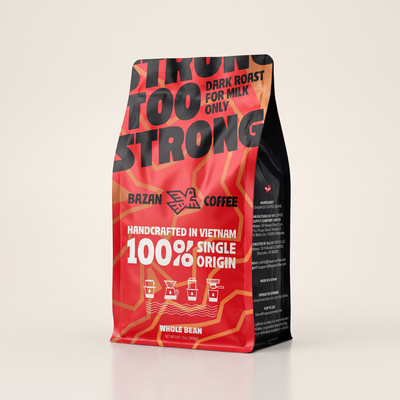
Brew It with Too Strong: Vietnam’s Bold Robusta
Too Strong is 100% Vietnamese Robusta from Đắk Lắk, dark roasted to stand up to milk and ice. It carries roughly twice the caffeine of a typical arabica blend (about 2.2–2.7%), with notes of chocolate, caramel and warm toast and none of the burnt, bitter bite.
- Made for milk: built for cà phê sữa đá, lattes and iced coffee.
- Brew it your way: phin filter, espresso machine, French press or paper filter.
- Fresh from the farm: roasted date printed on every bag.