The Story of Ethiopia Coffee: A Journey to Its Rich Heritage
Ethiopia is often called the birthplace of coffee, where wild coffee plants have flourished for centuries. Ethiopia coffee is renowned for its diverse flavor profiles, rich history, and unique processing methods. Whether you’re a casual coffee drinker or a connoisseur, understanding Ethiopia coffee beans and their origins can deepen your appreciation for this extraordinary beverage.
In this guide, we will explore Ethiopia coffee history, its farming traditions, the regions that produce the best Ethiopia coffee beans, and how to brew them to perfection.
Ethiopian Coffee History: The Birthplace of Arabica
1. The Legend of Kaldi and the Discovery of Coffee
The origins of coffee are deeply rooted in Ethiopian folklore, with the famous legend of Kaldi, a 9th-century goat herder. According to the story, Kaldi noticed that his goats became unusually energetic after consuming bright red cherries from a wild shrub. Intrigued, he tried the cherries himself and felt a surge of vitality.
Kaldi shared his discovery with a local monastery, where the monks experimented with the cherries. After roasting, grinding, and brewing the beans, they found that the beverage helped them stay awake during long hours of prayer. As word spread, coffee soon became an integral part of Ethiopian culture before reaching the Arabian Peninsula, where it evolved into the globally consumed drink we know today.

Although this legend is more myth than history, Ethiopia's status as the birthplace of Coffea arabica is widely recognized. Genetic studies confirm that the Arabica species originated in the Ethiopian highlands before spreading across the world.
2. Ethiopia’s Role in the Global Coffee Trade
Ethiopia is not just the birthplace of coffee - it remains a powerhouse in the global coffee industry, renowned for its vast genetic diversity and unique cultivation methods.
-
Home to Coffea Arabica: Ethiopia is the genetic reservoir of Arabica coffee, with thousands of indigenous coffee varieties, many still undiscovered. Unlike other coffee-growing nations, which rely on hybrid strains, Ethiopia maintains a rich heirloom tradition, cultivating coffee from naturally occurring, ancient varietals.
-
Economic Importance: Coffee is the lifeblood of Ethiopia’s economy, contributing approximately 60% of the country’s export revenue. More than 15 million Ethiopians depend on coffee cultivation and trade for their livelihood.
-
Traditional Farming Practices: Ethiopian coffee is grown using age-old, organic, and sustainable methods. Coffee trees flourish naturally in forested environments, and farmers hand-pick cherries at peak ripeness, ensuring superior quality.
-
Cultural Significance: In Ethiopia, coffee is more than a crop - it is deeply woven into social and cultural traditions. The Ethiopian coffee ceremony is a revered practice, where beans are roasted, brewed, and shared in a ritual that symbolizes hospitality and community bonding.

Ethiopian Coffee Beans: A Diverse and Flavorful Heritage
1. The Unique Genetics of Ethiopian Coffee
Ethiopia has the world’s most genetically diverse coffee strains, which contribute to its unmatched variety of flavors. Ethiopian coffee beans are often labeled as “Ethiopian Heirloom”, a broad term covering thousands of wild and cultivated coffee varieties.
Ethiopian coffee is categorized into two primary types, based on where and how it is grown:
-
Forest-Grown Coffee: Grows naturally in Ethiopia’s highland forests, requiring minimal human intervention. This method preserves wild coffee’s rich genetic diversity.
-
Garden Coffee: Cultivated by smallholder farmers in traditional, shade-grown environments near their homes. These coffees benefit from careful tending and selective harvesting.

Ethiopia’s heirloom varieties are a treasure trove of flavors, offering floral, fruity, and spicy notes unlike any other coffee origin.
2. Ethiopia Coffee Flavor Profiles
Ethiopian coffee is world-famous for its bright acidity, floral aromas, and complex fruit-forward flavors. The taste profile varies depending on region, altitude, and processing method, but some common characteristics include:
-
Fruity & Citrusy Notes: Blueberry, strawberry, orange, lemon, and tropical fruit.
-
Floral & Tea-Like Aromas: Jasmine, bergamot, honeysuckle, and honey
-
Chocolate & Nutty Undertones: Dark chocolate, cocoa, and almond (especially in washed coffees)
Ethiopian coffee is commonly processed using two methods, which influence its final taste:
-
Washed (Fully Washed) Coffee: Produces clean, bright, and crisp flavors with high acidity and floral notes.
-
Natural (Dry Processed) Coffee: Yields a heavier body with fruit-forward, berry-like, and winey characteristics.
These distinct flavors make Ethiopian coffee a favorite among specialty coffee enthusiasts worldwide.

Ethiopian Coffee Farms: Traditional Cultivation and Processing
1. Farming Practices in Ethiopia
Ethiopian coffee farming is unique and deeply traditional, standing apart from the industrialized coffee production seen in many other countries.
-
Smallholder Farms: The majority of Ethiopian coffee comes from small family farms, typically less than 2 hectares in size. These farmers rely on traditional, organic cultivation methods without the use of synthetic fertilizers or pesticides.
-
Shade-Grown & Forest Coffee: Coffee is often grown under the canopy of native trees, preserving biodiversity and enhancing bean quality.
-
High Elevation Advantage: Ethiopian coffee is cultivated at altitudes between 1,500 and 2,200 meters, allowing slow cherry maturation and complex flavor development.
-
Selective Hand-Picking: Farmers hand-pick only the ripest cherries, ensuring high-quality beans with optimal sweetness and flavor balance.
These practices result in some of the most sought-after specialty coffees in the world.

2. Major Coffee-Growing Regions in Ethiopia
Ethiopian coffee is classified by region rather than variety, with each region offering a distinctive taste profile influenced by its unique climate, soil, and altitude.
Sidamo Coffee
-
One of Ethiopia’s most famous coffee-growing regions.
-
Known for its bright citrus acidity, tea-like body, and floral aromas.
-
Often washed-processed, enhancing its clean and elegant flavors.

Yirgacheffe Coffee
-
Considered one of Ethiopia’s best coffees.
-
Features delicate, tea-like flavors with notes of jasmine, bergamot, and lemon zest.
-
Both washed and natural Yirgacheffe coffees are highly prized for their unique character.

Harrar Coffee
-
A high-altitude region producing bold, natural-processed coffees.
-
Known for its wine-like fruitiness, deep blueberry flavors, and dark chocolate undertones.
-
Sun-dried on raised beds, giving it a strong, intense body with complex sweetness.

Guji Coffee
-
An emerging specialty coffee region with exceptional quality.
-
Offers a mix of bright acidity, tropical fruit notes, and floral aromas.
-
Produces both washed and natural coffees, gaining popularity in the global market.

How to Brew Ethiopian Coffee Beans
To fully experience Ethiopia coffee beans, the brewing method plays a significant role. Here are the best methods to highlight its bright acidity and floral complexity:
1. Pour-Over – Best for Clean and Complex Flavors
-
Grind Size: Medium-fine
-
Water Temperature: 92-96°C (197-205°F)
-
Brew Time: 3-4 minutes
-
Best For: Bringing out citrus, floral, and fruity notes.
2. French Press – Enhancing Body and Sweetness
-
Grind Size: Coarse
-
Water Temperature: 92-96°C (197-205°F)
-
Brew Time: 4 minutes
-
Best For: Full-bodied, chocolatey Ethiopian coffee.
3. Traditional Ethiopian Coffee Ceremony
Ethiopia has a rich coffee culture, including its traditional coffee ceremony. Beans are roasted on the spot, ground, and brewed in a clay pot called a jebena. This slow, communal brewing method enhances the appreciation of Ethiopian coffee’s aroma and taste.
Experience the Best Coffee with Bazan Coffee
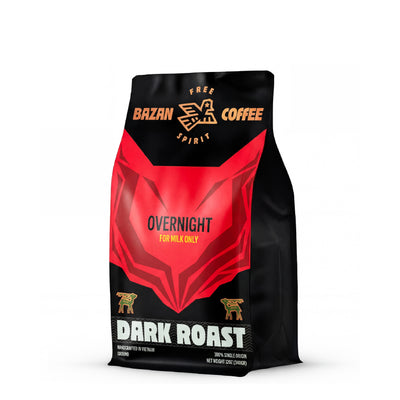
At Bazan Coffee, we believe that a truly exceptional coffee experience starts with premium, high-quality beans. Our commitment to sourcing from Vietnam’s finest high-altitude farms ensures that every cup delivers a rich, complex, and unforgettable taste. Whether you love the bold intensity of Fine Robusta, the bright acidity of Specialty Arabica, or the harmonious balance of a signature blend, Bazan Coffee offers a selection crafted to satisfy every coffee lover.
Brew It with Too Strong: Vietnam’s Bold Robusta
Too Strong is 100% Vietnamese Robusta from Đắk Lắk, dark roasted to stand up to milk and ice. It carries roughly twice the caffeine of a typical arabica blend (about 2.2–2.7%), with notes of chocolate, caramel and warm toast and none of the burnt, bitter bite.
- Made for milk: built for cà phê sữa đá, lattes and iced coffee.
- Brew it your way: phin filter, espresso machine, French press or paper filter.
- Fresh from the farm: roasted date printed on every bag.